


History of civil protection
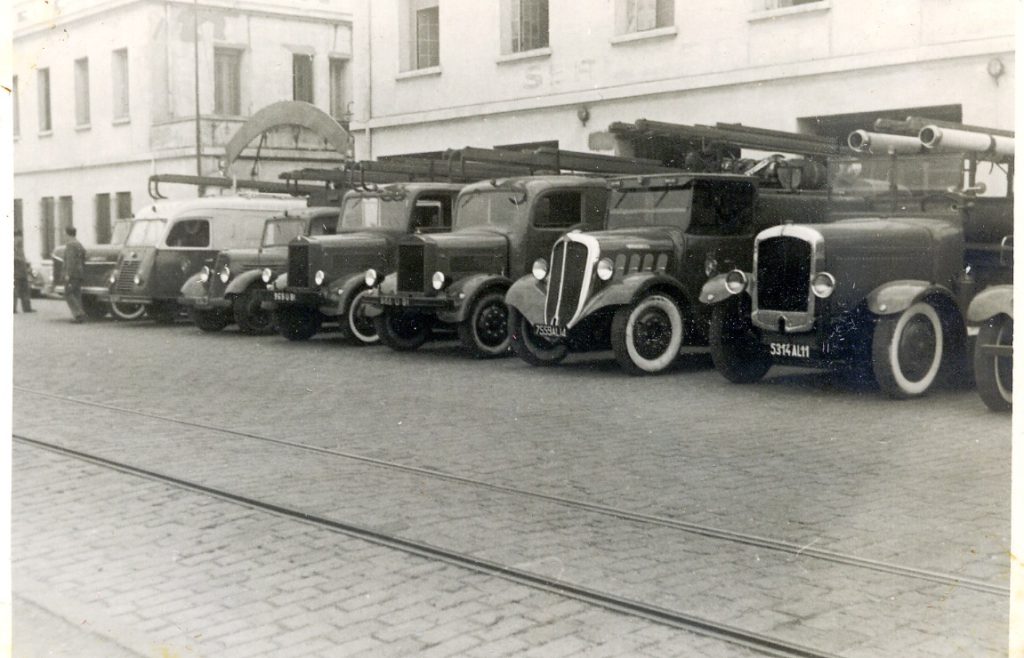
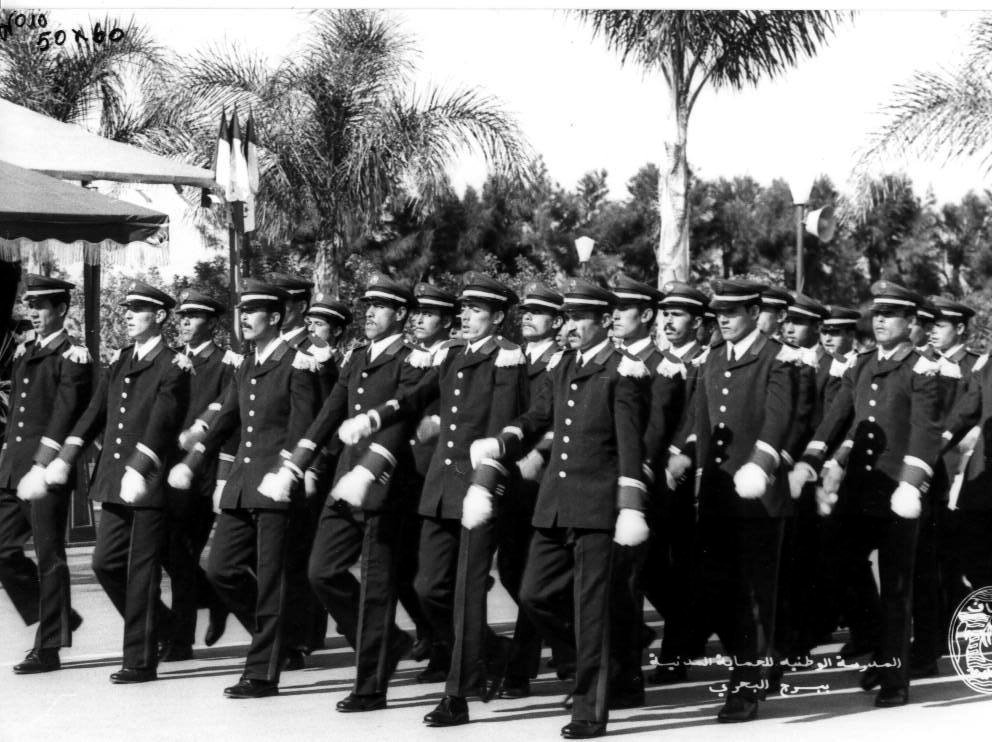
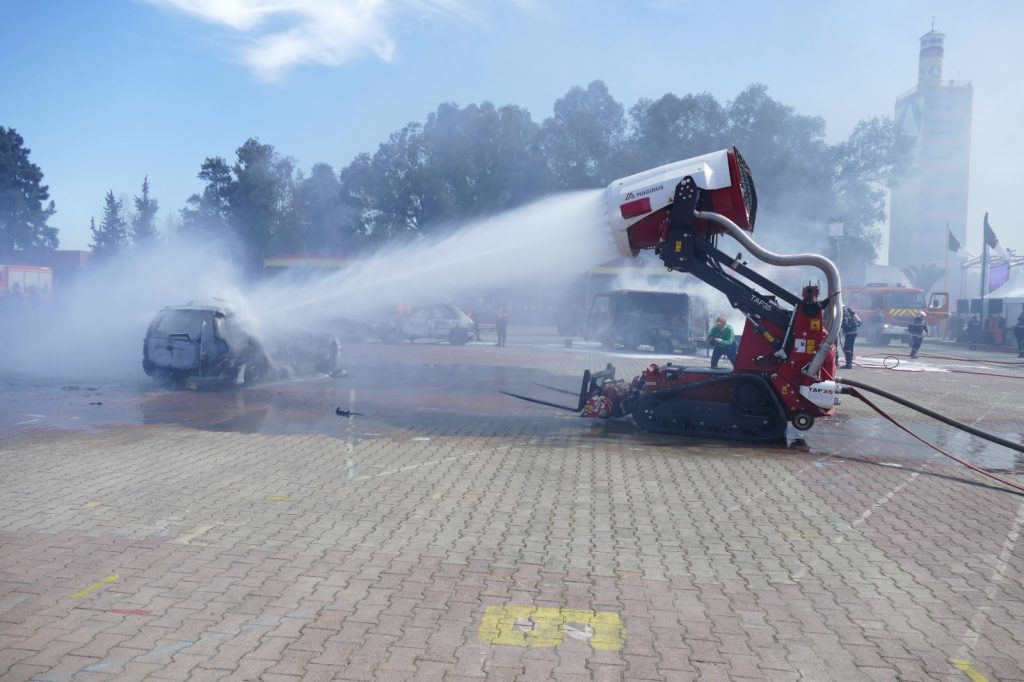
When Algeria gained its independence in 1962, its civil protection service was still in a rudimentary state, like many similar services in newly independent countries. This service consisted primarily of a central civil protection authority under the Ministry of the Interior and local fire and rescue services at the wilaya (province) level. Unfortunately, these local services had only a symbolic administrative role, mainly limited to selecting and procuring equipment. The operational units were simply a collection of equipment under the supervision of municipalities, staffed either by paid firefighters or volunteers, depending on the importance of the equipment and its resources. Thus, the state of this vital security service was a characteristic of the colonial legacy. It became clear that such structures were inadequate for the demands of the modern era and the requirements of comprehensive development, particularly the protection of people and property. Therefore, radical change became imperative.
- Reform
The year 1964 witnessed the first reform movement in this field, marking a transitional phase from the colonial system to the Algerian system. According to Decree No. 64-129, dated April 15, 1964, concerning the administrative organization of civil protection, the first chapter of this decree outlined the tasks and preparations of civil protection. Civil protection was founded on the principle of human solidarity within the national and international frameworks to carry out the overall mission of protecting persons and property under the motto “Prevention – Anticipation – Intervention,” encompassing all members of society to protect life and material resources, which represent national wealth. Based on this, and in accordance with the changes that had occurred, the state retrained and enhanced the skills of most municipal personnel within the framework of the National School of Civil Protection, established by Decree 66/151, dated June 2, 1966, amended by Decree 67/288, dated December 26, 1967. This step also resulted in the reorganization of the previous bodies, integrating them into a completely new structure, and created two categories of personnel:
– Personnel Qualified personnel.
– And temporary workers hired on a case-by-case basis, whose work was not subject to any specific regulations.
Despite this change, after the 1964 reform, organizational difficulties and problems arose, and the national interest became incompatible with the modern developments affecting all fields. The proliferation of public institutions and industrial zones, which were expanding daily, coupled with population growth and the increase in transportation and roads of all kinds, created a growing need to develop the National Civil Protection Service. This led to the Civil Protection Reorganization of 1970.
- Reform 1970
This organization was established by Decree No. 70-167 of November 10, 1970, which classified, structured, and equipped the Civil Protection units. This decree allowed for the integration of most of the temporarily employed staff who possessed the necessary qualifications, as well as the integration of sector employees into the civil service. It also defined the Civil Protection structures at the municipal, district, and provincial levels, classifying them according to the importance of their assigned tasks into four categories:
Main Units
Secondary Units
Sector Units
Advanced Centers
This decree also defined the scope of intervention for the units, the intervention resources used, and the formations of the squad, platoon, detachment, company, and battalion. This organization proved particularly effective in securing hydrocarbon resources. Civil Protection personnel succeeded the colonial authorities in safeguarding hydrocarbon and mineral resources. The Algerian state recognized the necessity of ensuring citizen safety and the critical need to protect national wealth. It sought to operate in accordance with national policy directives, and under this legal text, it was decided to nationalize all Civil Protection facilities. This allowed for the consolidation of all firefighting services and entities responsible for overseeing security measures and civil protection, all under the umbrella of the Civil Protection service. Thus, a paramilitary organization was established with distinct structures, unified vision, ranks, grades, and affiliated training centers. Operationally, it became possible to coordinate efforts nationwide and deploy support units to disaster-stricken areas. In addition to the standard responsibilities of the firefighting services, other tasks were added, such as searching for missing persons in the desert, and other duties related to economic development, combating pollution of all kinds, overseeing security measures, and carrying out the preventive work stipulated in Ordinance 76-04, dated February 20, 1976.
.
- The National Service was transformed into the General Directorate of Civil Protection
With the issuance of Decree No. 76-39 dated February 20, 1976, concerning the reorganization of the central administration of the Ministry of the Interior, the National Civil Protection Service was transformed into the General Directorate of Civil Protection.
Organization and Functions of the General Directorate of Civil Protection in 1976
Directorate of Studies and Resources: Responsible for studying, planning, monitoring, and managing the human resources and equipment necessary to fulfill the tasks related to all Civil Protection services.
Sub-Directorate of Programs: Responsible for studying, developing, and adjusting the programs within the infrastructure and equipment allocated to support the activities of the operational services.
Sub-Directorate of Operational Resources: Responsible for the reserve of operational resources, their distribution, monitoring their development, and overseeing their management and use.
Sub-Directorate of Achievements: Responsible for implementing the planned operations, monitoring their execution, and defining and monitoring the conditions for the use of infrastructure and equipment.
Directorate of Operational Activity: Responsible for defining the general rules for reserve and protection, determining the practical conditions for their implementation, and monitoring their application.
The Sub-Directorate of Statistics and Organization: Responsible for studying and defining the general rules of precaution and security applicable in the various sectors of national activity.
The Sub-Directorate of Interventions and Public Protection: Responsible for developing and approving all defense, protection, and rescue plans against pests and disasters of any kind, and clarifying the conditions for their implementation.
The Sub-Directorate of Monitoring: Responsible for implementing directives by the departments and operational units related to the exercise of their activities, and proposing any appropriate measures to support their effectiveness.
The numerous and successive transformations that the Civil Protection has undergone have allowed it to strengthen its various departments in response to the demands of activities and tasks that are not divided due to the development and increasing complexity of natural and technological hazards.
From this perspective, a set of organizational precautions was taken, as well as improvements to the organizational and scientific framework of the departments, related to the introduction of the 1991 legal framework, to enshrine this radical change in the central administration of the General Directorate of Civil Protection.
This legal framework was established by Executive Decree No. 91-503 of December 21, 1991, concerning the organization of the central administration of the General Directorate of Civil Protection, as amended and supplemented. The aim of this new organization was to improve management at the central level and to enhance the ability to effectively and qualitatively control the technical and operational activities it is responsible for, as well as those carried out through its regional offices.
The administrative structure was further developed by other texts, namely Executive Decree No. 92-54 of February 12, 1992, concerning the organization and operation of the regional offices of the Civil Protection, and Executive Decree No. 92-43 of February 4, 1992, establishing, organizing, and operating the General Inspectorate of Civil Protection Services.
Decree No. 91/503 of December 21, 1991, relating to the organization of the central administration of the General Directorate of Civil Protection, as amended and supplemented by Decree 93-147 of June 22, 1993, included the basic amendments included in the new organization also relate to the structures and tasks assigned to each facility.