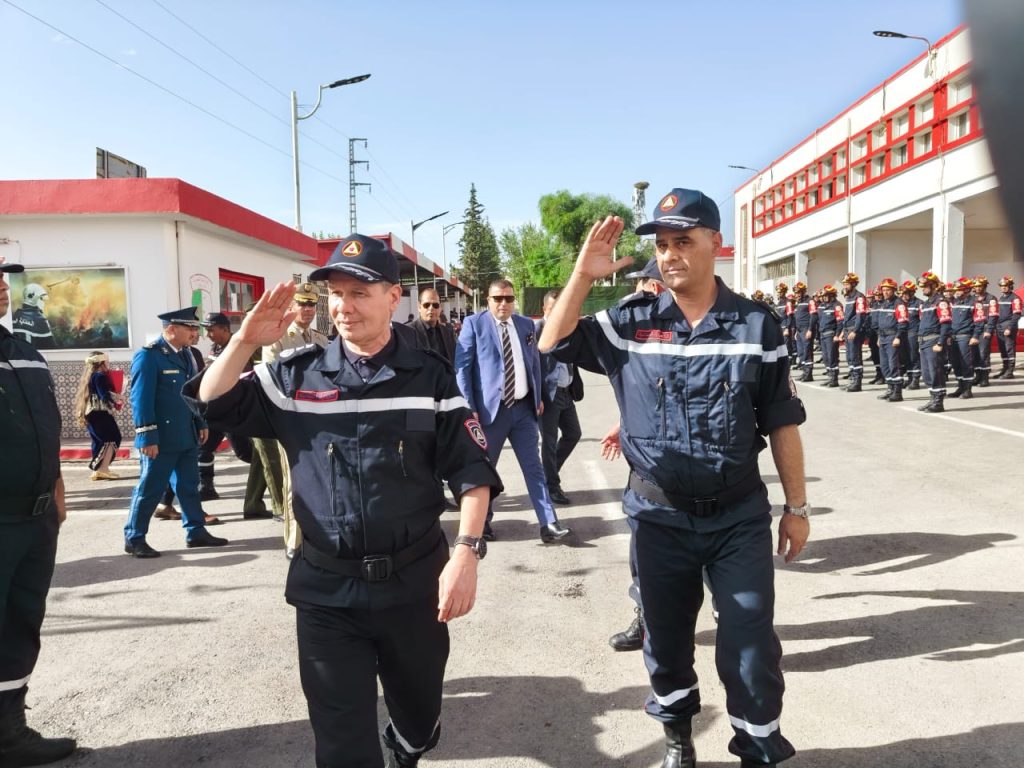
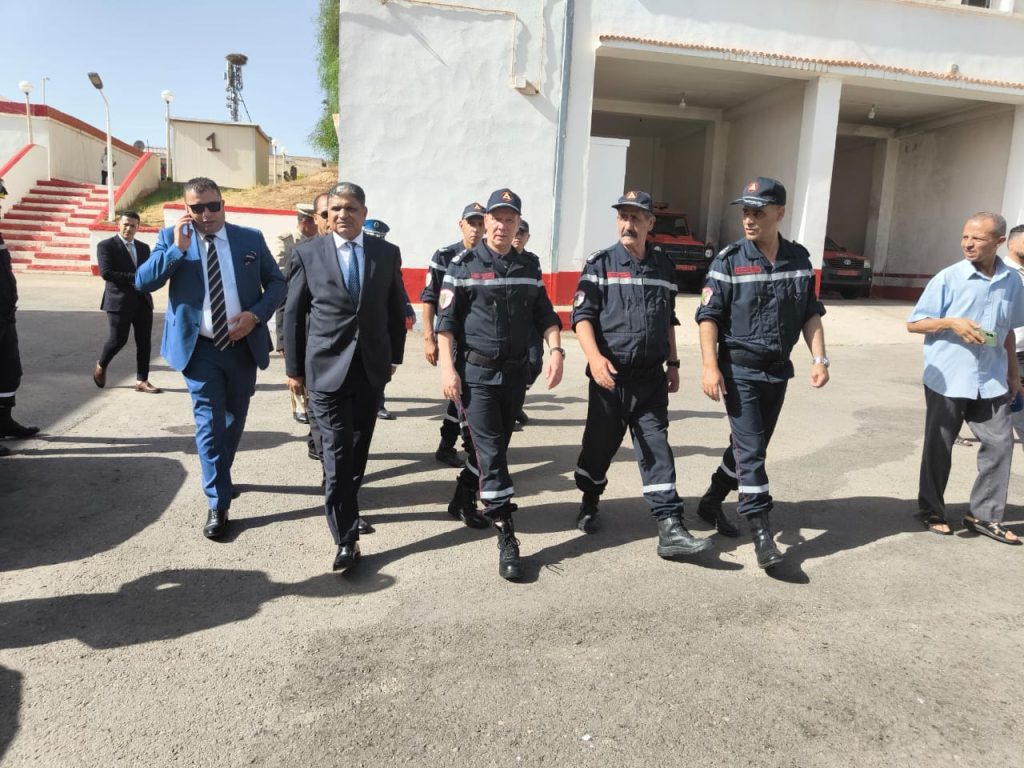
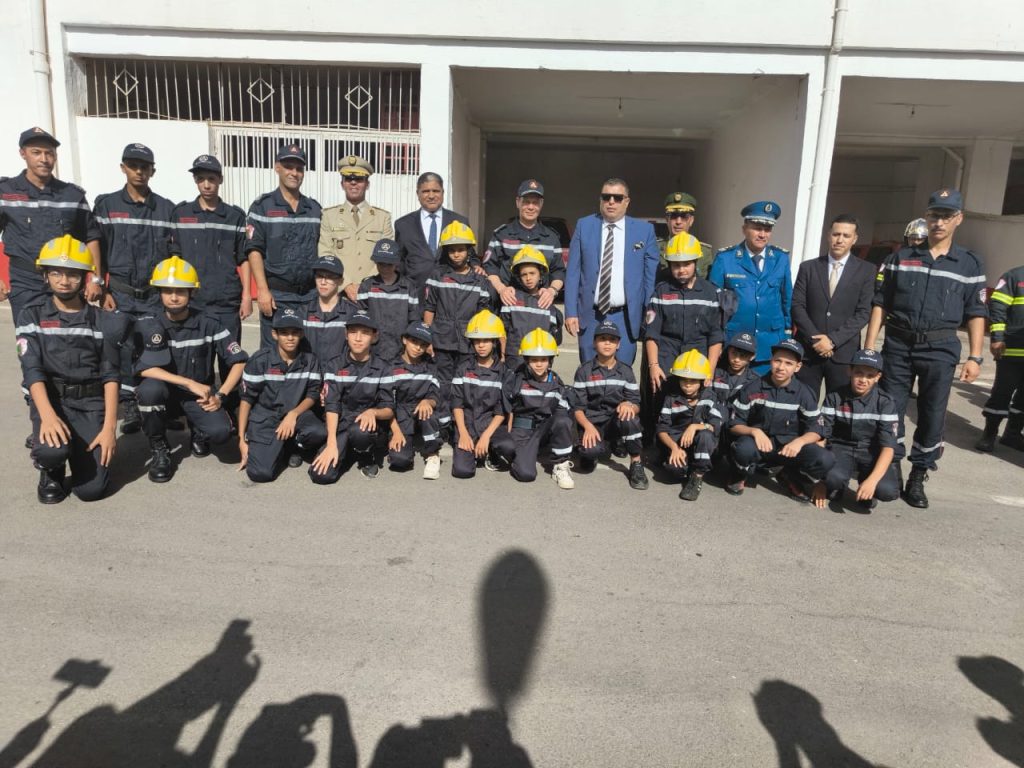
As part of the General Directorate of Civil Protection’s annual work program, aimed at enhancing operational readiness, improving the performance of various structures, agencies, and specialized teams, and ensuring continuous field monitoring and evaluation of preparedness for intervention and response to various hazards, particularly during the summer season which sees an increase in certain risks, especially forest fires, drownings, and traffic accidents, the Director General of Civil Protection, Colonel Boualem Boughelouf, accompanied by several central officials, is undertaking a working visit to the provinces of Saïda, Sidi Bel Abbès, and Tlemcen from August 11 to 13, 2026.
This visit is part of a series of field visits conducted by the Director General of Civil Protection to closely examine the readiness and effectiveness of various operational units, the efficacy of preventive measures, and the operational arrangements adopted for dealing with risks, particularly those related to forest fire prevention and control, as well as ensuring the safety of vacationers and beach security during the summer season.
The visit program includes an inspection and evaluation of the readiness and effectiveness of mobile columns and regional support detachments, their ability to deploy rapidly and reinforce intervention units, and their capacity to handle large or highly dangerous fires. This will allow for improved response times, enhanced effectiveness of control and extinguishing operations, and a reduction in the spread of fires.
In this context, the visit program places particular emphasis on on-site inspections and an assessment of the effectiveness of the intervention protocol for combating and controlling forest fires. This involves evaluating the effectiveness of the various intervention phases, the speed of mobilization and deployment of resources, and the efficiency of coordination between the various agencies and units deployed on the ground and with aerial assets. This is especially important given the exceptional circumstances the country has experienced recently, characterized by a large number of forest fires coinciding with a heatwave that lasted for more than 20 days and affected many provinces. This situation imposed a continuous operational burden and presented field challenges that necessitated the extensive mobilization of human, logistical, and specialized resources.
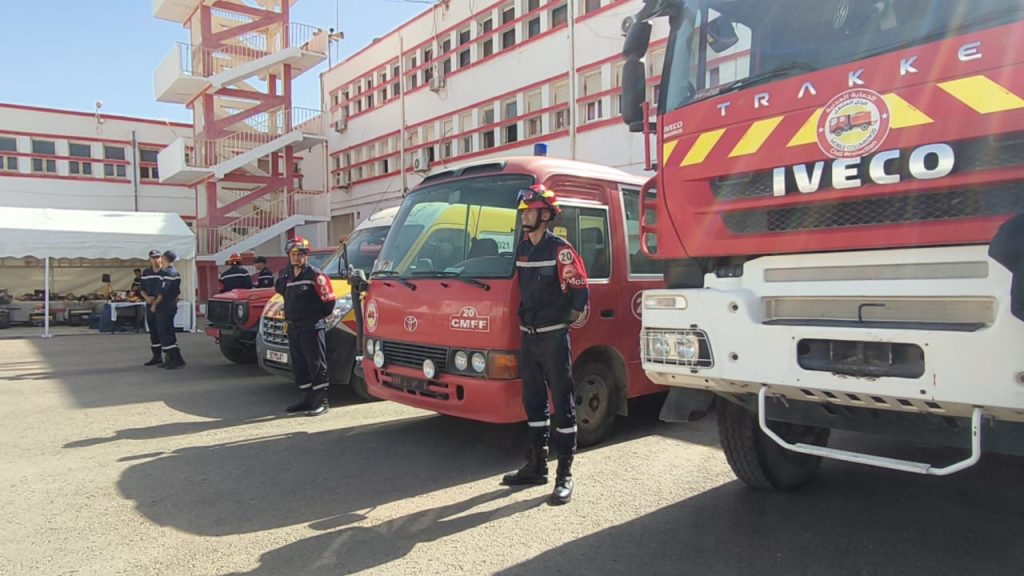
The visit program also includes inspecting several operational units, operational coordination centers, and advanced intervention points established along forested areas. It will also involve examining specialized equipment and technical resources for various intervention fields, including support and initial response teams, as well as reviewing the digital platforms and systems used to monitor and manage forest fire operations and major events and disasters.
In addition, the visit will include an inspection of the coastal protection system in the coastal provinces, assessing its readiness and the effectiveness of the preventive and operational arrangements in place to ensure the safety of beachgoers. This will be achieved by evaluating the level of human resource deployment, the availability of maritime rescue equipment, and the ability of specialized teams to respond quickly and effectively to various emergencies during the summer season.
This visit underscores the General Directorate of Civil Protection’s commitment to establishing a culture of direct field evaluation and continuous monitoring, and to strengthening communication between central command and local authorities. This allows for identifying strengths and weaknesses and addressing them, as well as reinforcing human, logistical, and operational capacities. Ultimately, this contributes to raising the level of preparedness and improving the speed and effectiveness of response to various hazards and disasters. This approach is also part of the General Directorate of Civil Protection’s commitment to learning from field experiences and continuously evaluating operational performance. This allows for the development of intervention mechanisms, improved coordination methods, and better handling of exceptional situations, while also enhancing the ability of various agencies to adapt to evolving risks and the specific characteristics of each operational situation.