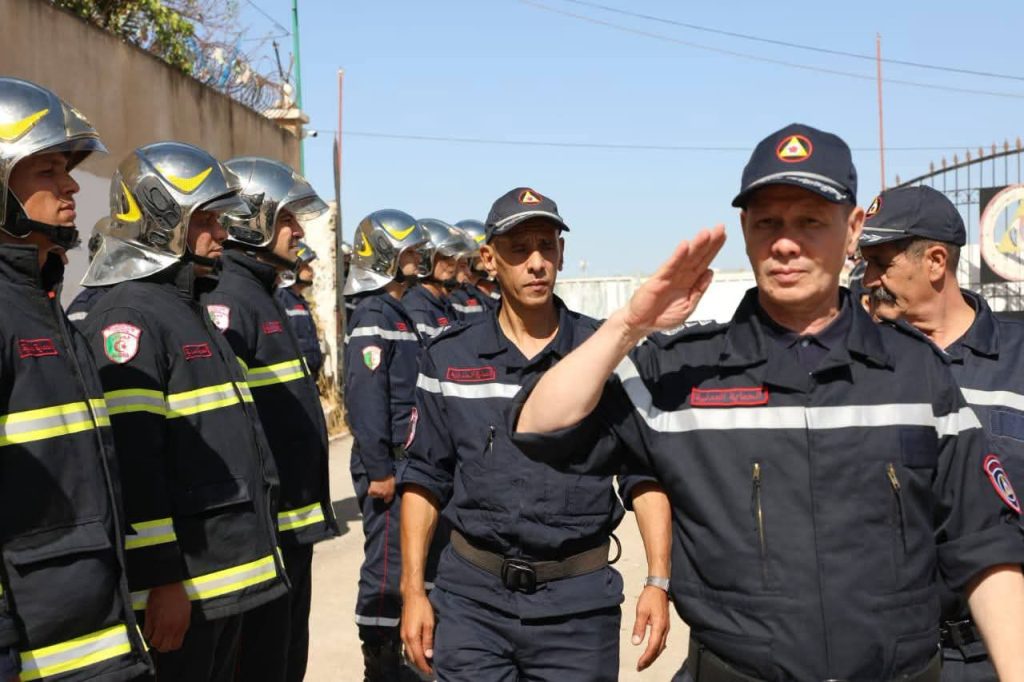
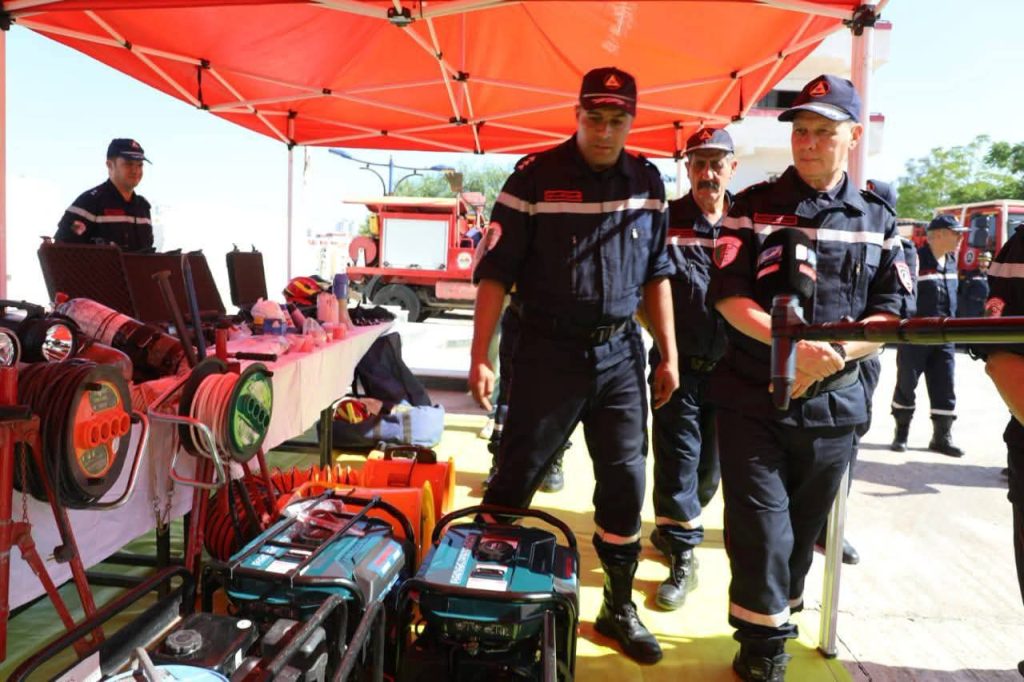
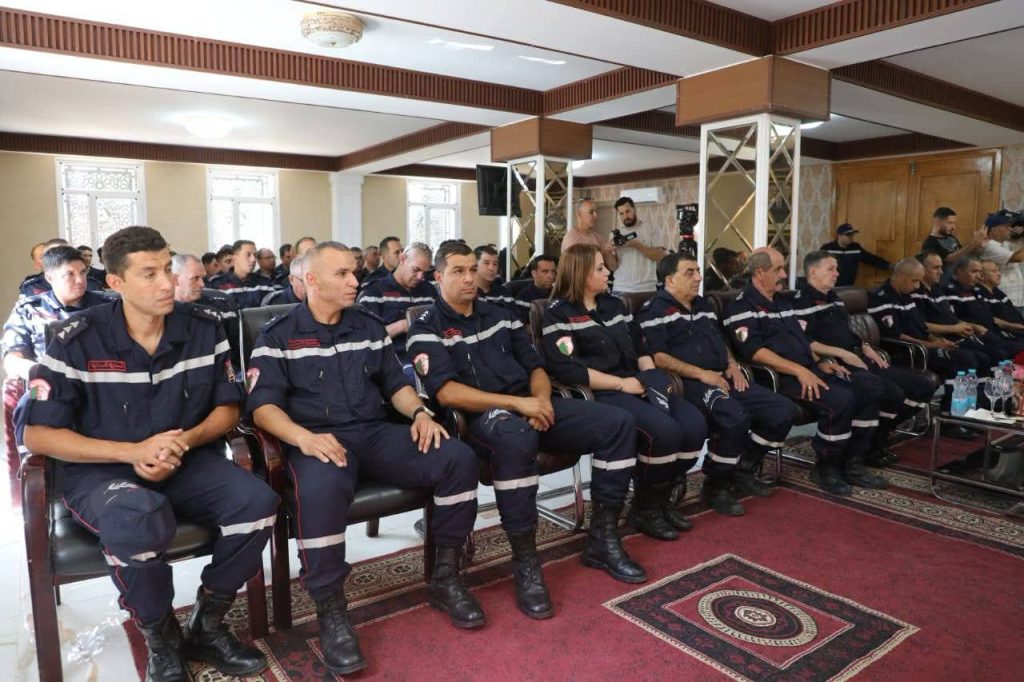
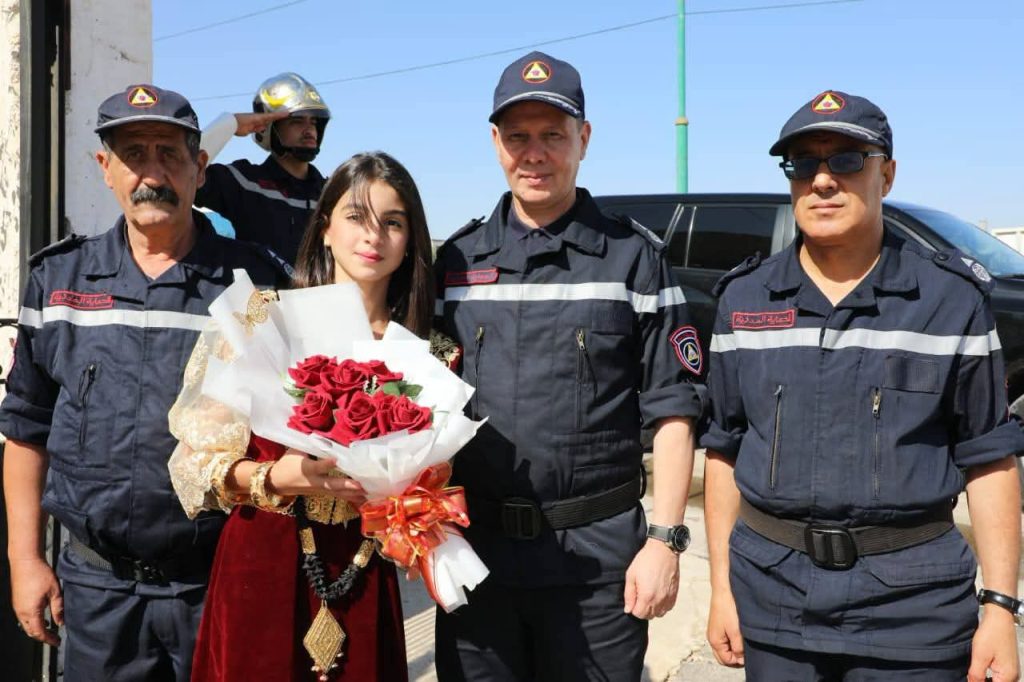
As part of the implementation of the General Directorate of Civil Protection’s annual activity program, aimed at enhancing operational readiness, improving the performance of various structures, agencies, and specialized teams, and ensuring continuous field monitoring and evaluation of preparedness to intervene and respond to various hazards, particularly during the summer season which witnesses an increase in the frequency of certain risks, especially forest fires, drownings, and traffic accidents, the Director General of Civil Protection, Colonel Boualem Boughlaf, accompanied by a number of central officials, is conducting a working and inspection visit to the provinces of Constantine, Mila, and Jijel on August 18, 2026. This visit follows his field visits to the western provinces of Saida, Sidi Bel Abbes, and Tlemcen. This visit is part of a series of field visits undertaken by the Director General of Civil Protection to closely examine the readiness and effectiveness of the various operational units, evaluate the efficacy of preventive measures and operational arrangements adopted to deal with various risks, particularly in the area of forest fire prevention and control, ensure the safety of vacationers, and enhance the effectiveness of the beach patrol system. Summer season.
The visit program includes inspecting and evaluating the readiness and effectiveness of mobile columns and regional support detachments, assessing their capacity for rapid mobilization and deployment, reinforcing intervention units, and handling large-scale or highly dangerous fires. This contributes to improving response speed, enhancing the effectiveness of control and extinguishing operations, and limiting the spread of fire hotspots. In this context, the field inspection and evaluation of the effectiveness of the intervention protocol for combating and controlling forest fires are of particular importance within the visit program. This involves assessing the various stages of intervention, the speed of mobilizing necessary human resources, material resources, and logistics, and the effectiveness of field coordination between the various mobilized agencies and units. This operation follows the exceptional circumstances the country experienced during July and the beginning of August of this year, characterized by a large number of forest fires coinciding with a heatwave affecting many provinces. This situation necessitated activating the operational strategy and the intervention protocol for combating forest fires, raising the level of readiness and response to meet this challenge through the extensive mobilization of human resources, logistics, and specialized equipment.